Multi-agent context engine
Multiple focused apps become specialized agents that capture different life signals while sharing design, support, and system infrastructure across the network.
Multi-agent AI comprehensive system
WeiProduct connects 18 focused AI apps into a coordinated personal system across productivity, finance, learning, wellness, family, notes, voice, calendar, habits, and utility. Each app acts as a specialized agent for one life domain; together they create richer context for better decisions.
Investment thesis
A simple chatbot is limited by a fixed context window. People need help inside recurring life systems: planning time, learning, tracking health, managing money, capturing thoughts, and building habits. WeiProduct is designed as a network of specialized agents that learn from those daily workflows and coordinate around the user.
Charlie Munger described great decision-making as building a latticework of mental models from the major disciplines. WeiProduct applies that idea to multi-agent personal AI: each agent understands one important domain, and the system connects those models so it can understand the whole person and help them make better decisions.
Multiple focused apps become specialized agents that capture different life signals while sharing design, support, and system infrastructure across the network.
The operating loop is simple: launch focused agents, put them inside real daily workflows, learn from usage, and narrow toward what people return to.
WeiProduct sits at the overlap of AI, mobile workflows, finance, productivity, health, learning, and personal utility, backed by a founder trained in both CS and economics.
System architecture
Each app captures a different life signal. Those signals flow into a shared personal context layer, so the system can reason across domains: 18 specialized agents, five life domains, one coordinated view of the person.
Scenario walkthrough
Follow one person through a single day. At each moment a different agent contributes its signal, and every signal lands in the same personal context layer.
AI Calendar drafts the schedule while AI Weather shapes the commute, the workout window, and what to wear.
AI Pomodoro Timer runs the focus sessions, so real attention patterns become part of the day's context instead of guesswork.
Food Calories captures nutrition in seconds and Piggy Accounting books the spend — two different life signals from one moment.
Dailymatters keeps the day's record and Meditation closes it calmly, so tomorrow's plan starts from better context.
Illustrative scenario — not recorded product output.
Agent system
Each product is a specialized agent surface for a recurring life workflow. The system is broad by design: cover the major contexts of a person's life, learn where AI creates durable behavior, then connect the strongest signals into one comprehensive personal intelligence layer.
Shipping velocity
The strongest early signal is speed. The first 17 releases shipped in four weeks, and ilink is now live as the 18th family-focused agent. Below is the complete portfolio in App Store build order. {{ 待填:真实发布时间线(起止日期)}}
The six most recently updated agents. Versions and dates published by Apple.
Operating model
Each agent starts with one clear job so users can understand the value quickly.
The system is built around phone-native moments: quick capture, quick review, and quick action.
AI agents reduce friction, summarize, suggest, and personalize while keeping each daily workflow lightweight.
Reusable support pages, app patterns, and domain learnings make every new agent cheaper to test and easier to connect.
Roadmap
A three-phase path that compounds: ship narrow agents, connect them with shared context, then turn that context into one decision layer for the whole person.
18 specialized apps live on the App Store, each solving one recurring life workflow and reusing shared agent infrastructure.
Connect the strongest signals so agents share one personal context layer and a signal in one domain improves decisions in another.
Turn the shared context into one personal decision layer that helps the whole person plan, learn, and act with better judgment.
Each new agent is cheaper to ship on shared infrastructure, adds another stream of context that makes every other agent smarter, and widens the shipping-velocity lead. Infrastructure, context, and speed reinforce each other, so the moat grows with every app.
How it's built
Every agent ships on the same three-tier stack, so a new app is mostly product work — not new infrastructure. Client data stays on the device; model access is brokered server-side.
Founder edge
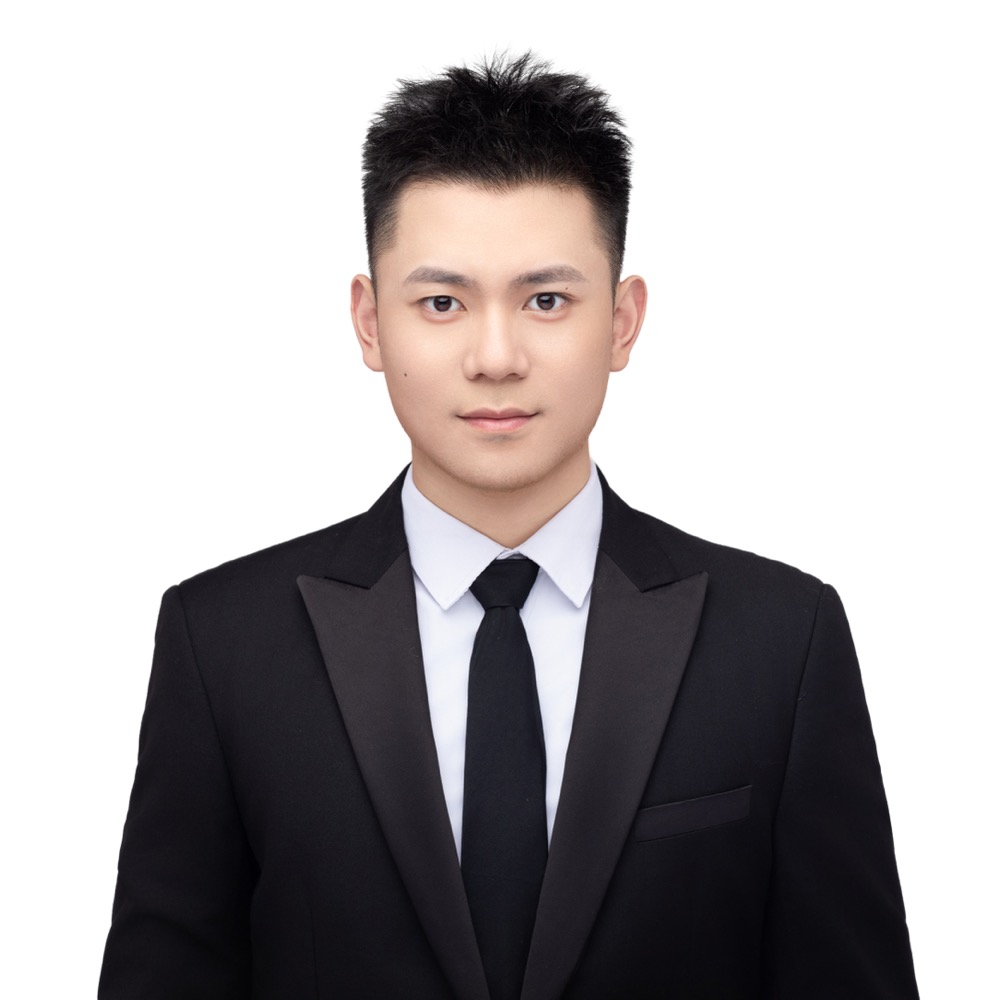
WeiProduct is led by Wei Fu, a University of Massachusetts Amherst graduate with dual Bachelor of Science degrees in Computer Science and Managerial Economics. That combination matters: the company is not just building apps, it is designing a multi-agent AI system with an understanding of software, markets, and decision-making.
The founder profile supports the company strategy: Swift and iOS development, OpenAI/Whisper/Claude API integration, Python and data analysis, finance training, market research, Dean's List honors across five semesters, and a four-year merit-based scholarship. The strongest visible signal is speed: 18 public iOS/AI apps shipped in the founder track record and 18 current agent surfaces in the company system.
Investor FAQ
Each app is a focused agent for one recurring life domain: planning, money, learning, health, notes, habits, and utility. Shipping many narrow agents lets the system observe real behavior across the whole person, learn where AI creates durable habits, and connect the strongest signals into one shared context layer. It is a deliberate multi-agent strategy, not scattered app-making.
Monetization runs through the App Store across the portfolio: subscriptions and in-app purchases on the individual apps, with the option to introduce a cross-agent premium tier as the shared context layer matures.
Three compounding layers: shared agent infrastructure reused across every app (design system, support, API proxy, release tooling), cross-agent context where signals from one domain enrich decisions in another, and shipping velocity: all 18 apps are live, so each new agent is cheaper to test and faster to connect.
Yes. WeiProduct is currently founder-led by Wei Fu, a University of Massachusetts Amherst graduate with dual BS degrees in Computer Science and Managerial Economics, which is what makes the shipping speed possible. The plan is to build a small focused team around the shared agent infrastructure and the cross-agent context layer as the company raises.
All 18 apps are live on the App Store today, including ilink as the newest family-focused agent. The next phase connects them into a shared personal context layer. Traction metrics are being prepared and will be shared directly with serious investors.
Investor contact
WeiProduct is open to conversations with investors, accelerators, distribution partners, and operators who understand multi-agent AI, mobile products, and fast product iteration.